
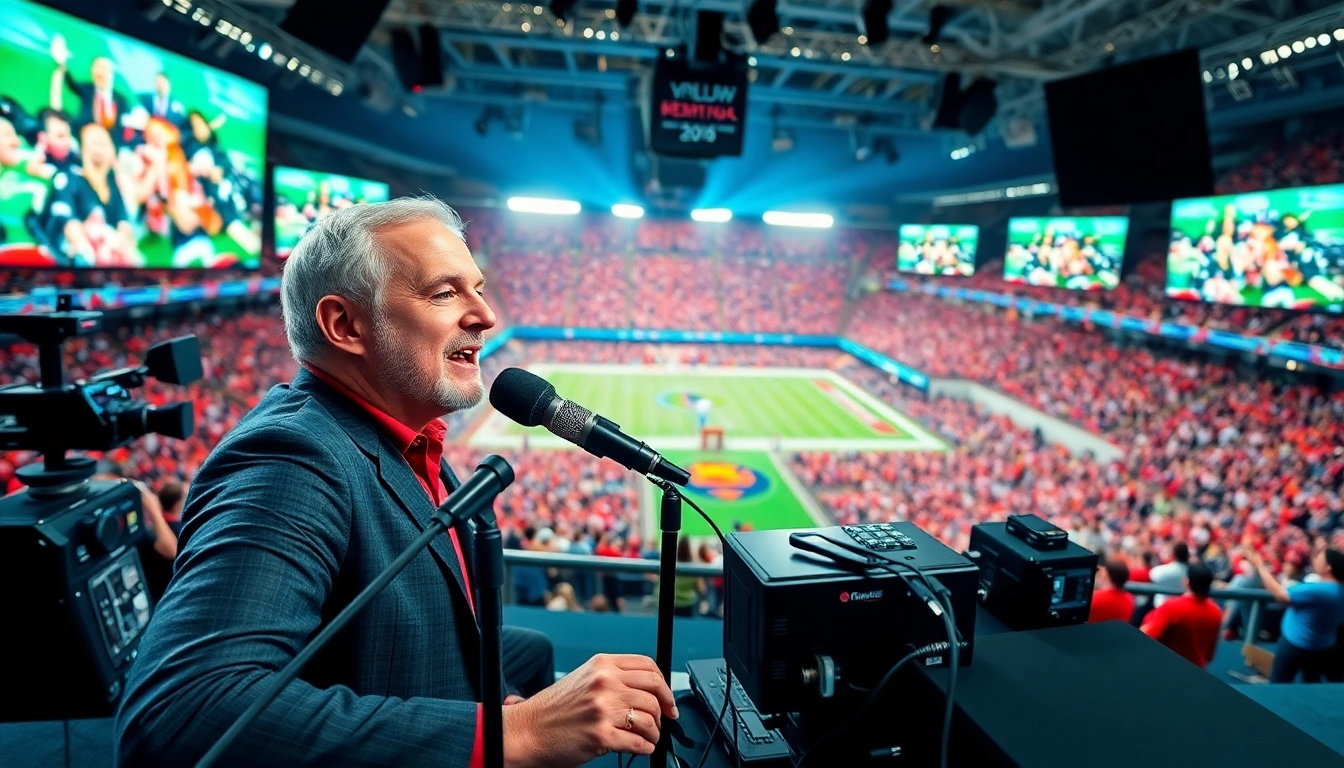
Understanding Sports Broadcasting
Sports broadcasting is a dynamic field that intertwines entertainment, technology, and journalism, making it one of the most engaging sectors within the media landscape. The process of Sports Broadcasting involves delivering live or recorded sporting events, offering commentary, analysis, and various additional features that enhance viewer experience. This article delves into the evolution, components, and technological underpinnings that define modern sports broadcasting.
The Evolution of Sports Broadcasting
Sports broadcasting has undergone a remarkable transformation since its inception. The early days of radio broadcasts in the 1920s paved the way for televised sports, with significant milestones occurring in the 1950s and 60s. Popular events like the Super Bowl and the Olympics showcased the potential of live sports on television, providing expansive audiences with unprecedented access to athletic competitions. The advent of cable television in the 1980s further revolutionized the industry, allowing specialized sports networks to emerge and thrive, such as ESPN, which provided 24/7 sports coverage.
In recent years, digital platforms have reshaped the landscape again, with streaming services and social media enabling fans to watch highlights and live broadcasts on various devices. This evolution showcases how sports broadcasting continually adapts to technological advancements, audience preferences, and market demands.
Key Components of Sports Broadcasting
To effectively deliver sports content, broadcasters must consider several essential components:
- Production Quality: High-quality audio and visual components are essential for presenting an engaging broadcast experience. This includes camera angles, graphics, and sound design.
- Commentary: Experienced commentators provide context and insights, helping audiences engage with the sport. Their role involves analysis and storytelling during gameplay.
- Content Strategy: A well-structured programming approach that integrates live games, highlights, interviews, and analysis helps retain viewer interest.
- Audience Engagement: Utilizing social media platforms, polls, and interactive segments can help broadcasters connect with their audience, fostering a community around the sport.
Technology’s Role in Sports Broadcasting
Technological advancements have played a pivotal role in evolving sports broadcasting. Innovations such as high-definition video, virtual reality, and augmented reality present additional layers of engagement for viewers. For instance:
- Instant Replay: This technology allows viewers to see critical plays from various angles, enhancing understanding and excitement.
- Data Analytics: Performance metrics are now used to enrich storytelling, providing insights into player statistics, strategies, and game dynamics.
- Streaming Platforms: With the growing importance of accessibility, digital streaming has become crucial, enabling viewers to watch their favorite sports on various devices at their convenience.
Core Techniques in Sports Broadcasting
Commentary Best Practices in Sports Broadcasting
Effective commentary is at the heart of sports broadcasting, providing real-time analysis and enhancing audience understanding. Best practices include:
- Preparation: Thorough research on teams, players, and statistics helps commentators provide informed insights.
- Clear Communication: Using concise and clear language ensures the audience grasps complex plays and strategies.
- Engagement: Commentators should engage with the audience, using storytelling elements to make the experience relatable and entertaining.
Visual Storytelling in Sports Broadcasting
Visual storytelling enhances the emotional connection and overall experience for viewers. Effective techniques include:
- Cinematography: Creative camera angles and shots can vividly capture the athleticism of the sport.
- Graphics and Animation: Utilizing overlays can provide real-time stats and player information, adding depth to the broadcast.
- Highlight Reels: Well-crafted highlight segments provoke excitement and recap significant moments for viewers.
Engaging with Audience in Sports Broadcasting
To maintain viewer interest, broadcasters must focus on engagement strategies, such as:
- Social Media Integration: Encouraging fans to interact via live tweets or comments creates a buzz and drives engagement.
- Polls and Questionnaires: Live polls can bring audience members into the broadcast, making them feel like part of the event.
- Fan-Centric Content: Incorporating fan stories, reactions, and feedback can personalize the viewing experience.
Challenges in Sports Broadcasting
Navigating Broadcast Rights in Sports Broadcasting
Broadcast rights represent a complex challenge in sports broadcasting. With teams and leagues negotiating lucrative contracts, broadcasters must stay compliant and competitive. Key aspects to consider include:
- Exclusive Rights: Many leagues sell exclusive rights, making it vital for networks to secure agreements to attract viewers.
- Blackouts: Regional blackouts restrict broadcasts in certain areas, leading to viewer frustration and lost opportunities.
- Changing Regulations: Constantly evolving laws around broadcasting must be navigated carefully to avoid legal complications.
Handling Technical Difficulties in Sports Broadcasting
Technical difficulties can undermine the viewer experience and must be managed proactively. Effective strategies include:
- Redundant Systems: Implementing backup systems ensures broadcasts can continue smoothly, even during equipment failures.
- Real-Time Monitoring: Continuous monitoring of audio and video feeds helps identify issues early for quick resolution.
- Expert Training: Providing broadcasters with robust training prepares them to manage unforeseen situations confidently.
Dealing with Audience Expectations in Sports Broadcasting
Meeting audience expectations can be challenging; broadcasters must continuously adapt to the evolving demands of fans. Considerations include:
- Quality Content: Audiences expect high-quality broadcasts, requiring a focus on production values and comprehensive coverage.
- Interactive Features: Fans desire engagement options, such as polls, stats, and fan feedback, which must be integrated into broadcasts.
- Timeliness: Quick and accurate updates enhance reliability, as viewers often demand immediate information.
Innovations in Sports Broadcasting
Emerging Technologies in Sports Broadcasting
Emerging technologies are driving significant innovations in the industry. Key advancements include:
- 5G Technology: This technology promises enhanced streaming speeds and connectivity, making live broadcasts more seamless.
- Artificial Intelligence: AI applications can analyze game data, providing deeper insights and enhancing commentary speed and accuracy.
- Virtual Reality: VR technology enables immersive viewing experiences, making fans feel as if they are part of the game.
The Rise of Digital Sports Broadcasting
The digital shift has reshaped how sports content is consumed. Trends include:
- On-Demand Content: Viewers increasingly prefer the ability to watch games on their schedules, leading to the rise of digital platforms.
- Subscription Models: Many broadcasters are adopting direct-to-consumer subscription models to capture revenues from engaged audiences.
- Content Customization: Personalized viewing experiences created through algorithmic recommendations help satisfy diverse viewer preferences.
Interactive Elements in Sports Broadcasting
Integrating interactive components offers new avenues for viewer engagement. Examples include:
- Real-Time Polling: Live discussions on game strategies encourage fan participation and dialogue during broadcasts.
- Augmented Reality Features: Integrating AR can present stats and features dynamically, enhancing audience understanding.
- Gamification: Interactive games related to the sport can be incorporated into broadcasts, encouraging viewers to engage further.
Measuring Success in Sports Broadcasting
Key Performance Indicators for Sports Broadcasting
Measuring success in sports broadcasting relies on analyzing key performance indicators (KPIs), including:
- Viewership Numbers: Tracking audience sizes and demographics provides insights into content performance.
- Engagement Rates: Measuring social media interactions, comments, and viewer feedback helps gauge audience involvement.
- Ad Revenue: Monitoring advertising income directly reflects the overall success and profitability of broadcasts.
Feedback Loops in Sports Broadcasting
Establishing feedback loops is viable to ensure consistent improvement in broadcasting quality. Their components consist of:
- Surveys: Conducting audience surveys allows broadcasters to gather insights and understand viewer preferences better.
- Analytics Tools: Utilizing analytics tools to assess performance data aids decision-making and content strategy adjustment.
- Regular Reviews: Periodic meetings to review broadcast performance encourage valuable discussions and learning opportunities.
Continuous Improvement in Sports Broadcasting
A culture of continuous improvement allows broadcasters to refine their processes over time. Key strategies include:
- Training Programs: Investing in ongoing training for broadcasters enhances skills and keeps them abreast of industry developments.
- Adopting New Technologies: Staying up to date with innovations ensures the audience receives the best possible experience.
- Benchmarking: Analyzing performance against industry standards helps identify gaps and areas for growth.
Frequently Asked Questions
What is sports broadcasting?
Sports broadcasting involves the transmission of sports events via television, radio, or online platforms, providing commentary and analysis for audiences.
How has technology changed sports broadcasting?
Technology has introduced high-definition broadcasting, streaming services, and data analytics, enhancing viewer engagement and broadcast quality.
What are the major challenges in sports broadcasting?
Challenges include navigating broadcast rights, handling technical difficulties, and meeting audience expectations for quality content.
What role does commentary play in sports broadcasting?
Commentary provides context, analysis, and storytelling that enrich the viewer’s understanding and enjoyment of the sport being broadcast.
How do broadcasters measure success?
Success is measured through KPIs such as viewership, engagement rates, and ad revenue, guiding improvement strategies and content decisions.